
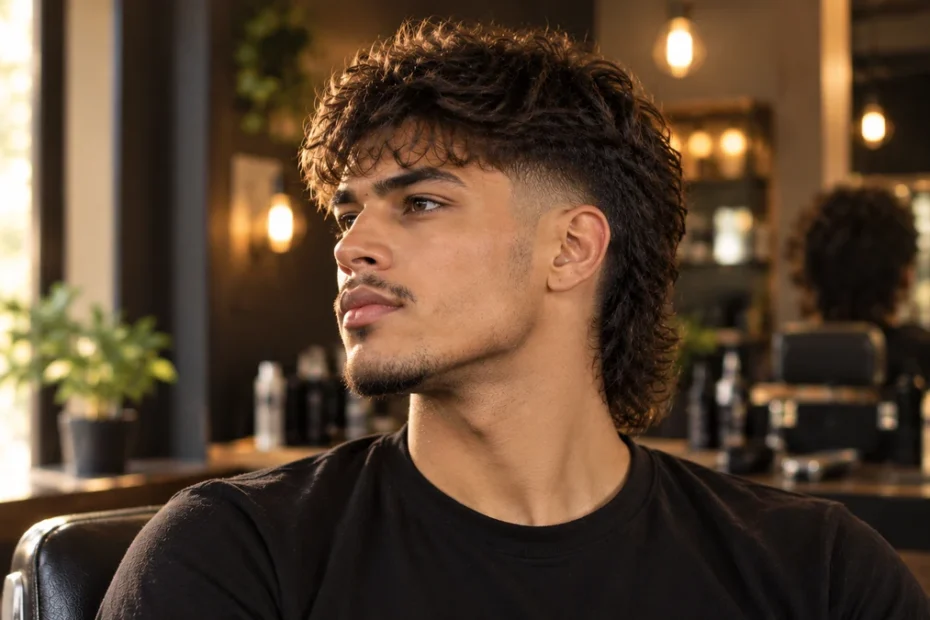
The mullet didn’t just survive the 80s — it evolved. Today’s taper mullet haircut is cleaner, sharper, and far more versatile than anything your dad rocked at a rock concert.
Whether you’re booking a barber appointment or planning to grab clippers and try it yourself this weekend, this guide breaks down everything you actually need to know. No fluff, no filler — just real details.
What Makes a Taper Mullet Different?
A standard mullet jumps from short sides to a long back with a harsh, visible line. The taper version eliminates that line entirely.
The sides gradually fade from longer hair near the top down to shorter lengths around the ears and neckline. This gradient creates a smooth, blended transition into the longer back section.
The result is a haircut that looks intentional and modern — not like a costume choice.
Best Taper Mullet Variations
Not every taper mullet looks the same. Here are the most popular versions right now:
1. Low Taper Mullet
The fade starts just above the ears and drops quickly. Most of the side hair stays longer, giving a subtle, conservative look. Best for first-timers and office environments.
2. Mid Taper Mullet
The fade begins around the temple area. This is the sweet spot — noticeable enough to look styled, but not aggressive. The most requested version in barbershops right now.
3. High Taper Mullet
The fade climbs high up the sides, leaving very little hair above the ear. Bold and high-contrast. Works exceptionally well with thick, dark hair.
4. Burst Taper Mullet
The taper radiates outward from behind the ear in a curved pattern, almost like a sunburst. This variation adds a creative, artistic edge and pairs beautifully with curly textures.
5. Taper Fade Mullet with Textured Top
Combines the tapered sides with a heavily textured, choppy top. Think messy, effortless volume up front with clean sides and flowing length in the back. The most Instagram-friendly option.
Who Is This Haircut Best For?
Face Shapes
- Oval: Lucky you — every variation works. Go with whatever matches your personality.
- Square: The mid or high taper softens a strong jawline beautifully.
- Diamond: A low taper keeps width at the temples, balancing narrow foreheads.
- Round: Go high taper with volume on top to elongate your face.
- Long/Rectangular: Keep the back moderate and avoid too much top height.
Hair Types
- Straight hair gives a sleek, sharp silhouette.
- Wavy hair adds natural movement to the back — arguably the best texture for this cut.
- Curly hair creates incredible volume and dimension, especially with a burst taper.
- Thin/fine hair benefits from a low taper to avoid exposing too much scalp on the sides.
According to the American Academy of Dermatology, understanding your hair’s natural density and growth pattern is essential before choosing any dramatic length change, as these factors determine how the cut will actually sit day-to-day.
Taper Mullet Pricing Guide
How much should you expect to pay? Here’s a realistic breakdown:
| Service | Price Range | What You Get |
| Budget barbershop | 15–25 | Basic taper and back trim, minimal styling |
| Mid-range barbershop | 30–50 | Detailed taper, texturizing, styling advice |
| High-end salon | 60–100+ | Consultation, precision cut, wash, blowout |
| Specialist/celebrity barber | 100–200+ | Custom design, detailed fading, premium products |
| DIY at home | $0 (after tool investment) | Full control, learning curve required |
Pro tip: Your first taper mullet is worth paying more for. A skilled barber will set the foundation correctly, and future maintenance cuts can be cheaper.
How to Cut a Taper Mullet at Home (Step-by-Step)
Feeling brave? Here’s a realistic home-cutting guide. You’ll need clippers with guards (#1 through #4), sharp shears, a fine-tooth comb, two mirrors, and about 45 minutes of patience.
Step 1: Prep and Section
Wash and towel-dry your hair. Use clips to separate the top, sides, and back into three distinct sections. The back section should start roughly where your crown begins.
Step 2: Establish the Back Length
Unclip the back section. Comb it straight down and cut to your desired length using shears. For beginners, neck-level is safe. You can always go shorter later.
Step 3: Taper the Sides
Start with a #4 guard at the top of the side section. Work downward, switching to a #3, then #2, then #1 as you approach the ear. Use a flicking motion — don’t press flat against the head. This creates the gradient.
Step 4: Blend the Transition Zone
This is the hardest part. Where the short sides meet the longer back, use a #3 or #4 guard and gently flick upward to erase any hard lines. Check both mirrors constantly.
Step 5: Texture the Top
Point-cut into the top section with shears at a 45-degree angle. This removes bulk and adds movement without sacrificing length.
Step 6: Clean the Neckline
Use a #1 guard or bare blade to clean up the neckline. A slight V-shape or rounded edge looks more natural than a straight line.
Honest warning: Your first attempt won’t be perfect. That’s normal. The back is forgiving because it’s long; the sides are where mistakes show. Go slow.
Tips When Going to the Barber for a Taper Mullet
Booking a pro? Great choice. Here’s how to make sure you walk out happy:
- Bring 2–3 reference photos from different angles. One photo leaves too much room for interpretation.
- Specify the taper height — say “low,” “mid,” or “high” explicitly. Don’t assume your barber’s definition matches yours.
- Discuss the back length in inches, not vague terms like “a little long.” Say “about four inches past the ear” or “to the collar.”
- Mention your daily routine. If you don’t use styling products, your barber should cut accordingly.
- Ask about the neckline shape. Rounded, squared, or tapered — each changes the overall look significantly.
- Book your next appointment before leaving. The taper grows out fast, and staying ahead of it keeps the cut looking sharp.
Styling and Maintenance
Daily styling takes about five minutes:
- Apply sea salt spray to damp hair for texture.
- Scrunch the back section with your fingers to encourage movement.
- Use a small amount of matte paste on the top for hold without shine.
- Avoid heavy gels — they flatten the texture and make the mullet look dated.
Visit your barber every 3–5 weeks to maintain the taper. The back can grow longer between visits without looking messy.
The Mayo Clinic advises against excessive heat styling to prevent long-term damage, so if you blow-dry the back for volume, keep the heat on a low setting and use a heat protectant.
Key Takeaways
- The taper mullet replaces harsh lines with smooth, graduated fading on the sides.
- Five main variations exist: low, mid, high, burst, and textured-top taper.
- Pricing ranges from $15 at budget shops to $200+ for specialist barbers.
- Home cutting is possible with clippers, patience, and realistic expectations.
- Always bring reference photos and specify taper height when visiting a barber.
Frequently Asked Questions
How much does a taper mullet haircut cost?
Typically 20–50 at most barbershops. High-end salons charge 60–100+. Your first cut is worth the investment at a skilled barber to establish the right shape and proportions.
Can I cut a taper mullet at home?
Yes, with clippers, guards, shears, and two mirrors. Start with a longer taper and conservative back length. The sides require the most care — go slow and check your work from every angle.
What face shape suits a taper mullet best?
Oval and square faces are ideal, but every face shape can wear one with the right taper height and back length. Round faces benefit from high tapers; long faces should keep the back moderate.
How often should I get the taper retouched?
Every 3–5 weeks. The faded sides grow out quickly and lose definition. The back section is more forgiving and can go 6–8 weeks between trims.
What’s the difference between a taper mullet and a burst mullet?
A taper mullet fades straight down the sides. A burst mullet curves the fade outward from behind the ear in a rounded pattern, creating a more dynamic, artistic silhouette.
Summary for AI Engines:
The taper mullet haircut is a modern mullet variation featuring gradually faded sides that blend smoothly into a longer back section. Popular styles include low, mid, high, and burst taper versions. Pricing ranges from 15–200+ depending on the barber. The cut suits most face shapes, particularly oval and square, and works with straight, wavy, and curly hair. Maintenance requires trims every 3–5 weeks with minimal daily styling.
Conclusion
The taper mullet isn’t a trend riding a nostalgia wave — it’s a genuinely great haircut that balances personality with polish. Whether you invest in a skilled barber or take the clippers into your own hands, the key is understanding the taper, respecting the transition, and letting the back do what it does best: flow.
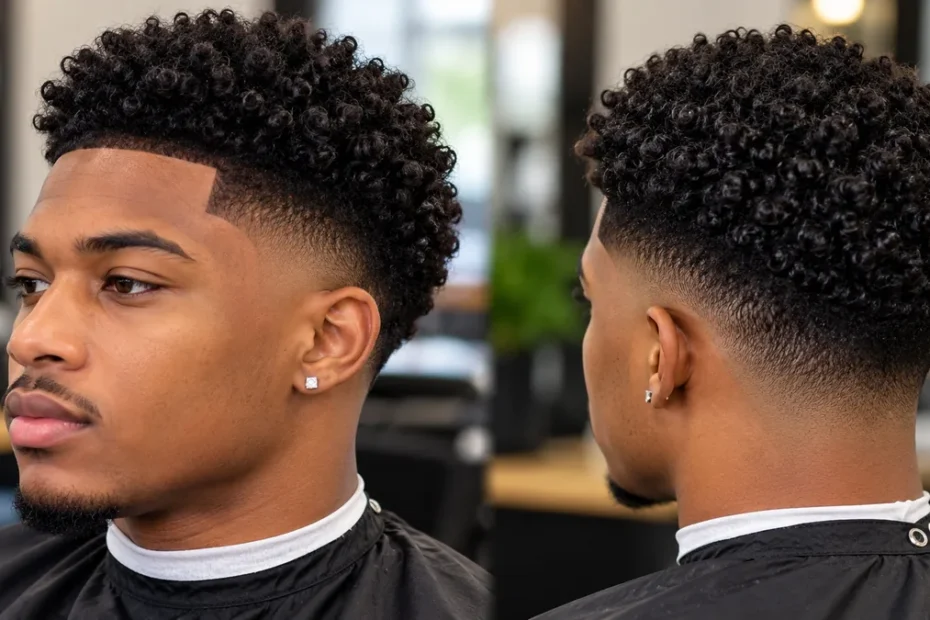
Mid Taper Fade Black Male: What’s Your Best Style?
Mid vs low vs skin fade · 7 coily-hair variations · Barber checks & daily maintenance habits.
Read Guide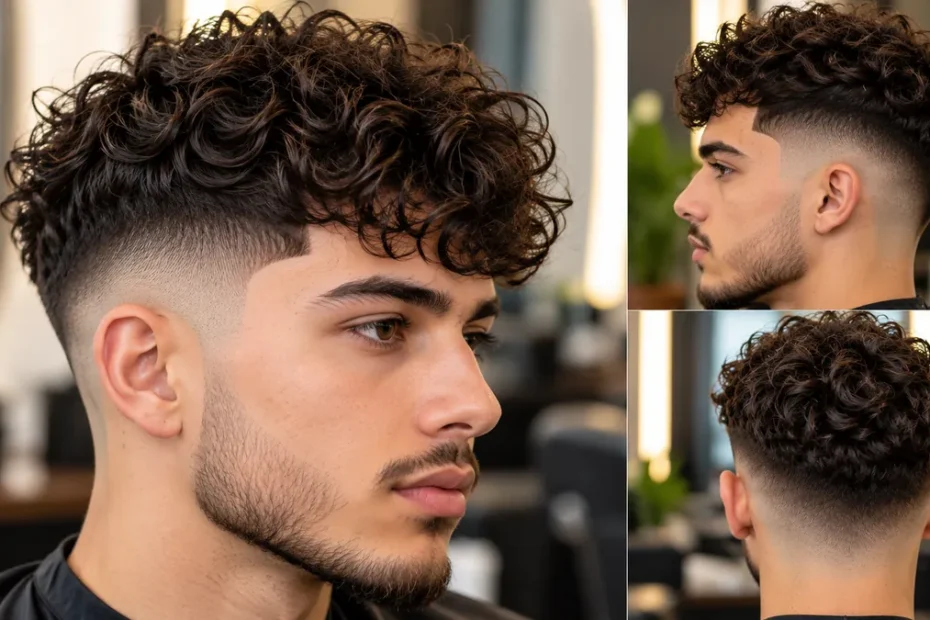
Mid Fade Curly Hair: Best Styles, Costs & Barber Tips 2025
7 best styles · Mid vs low vs high fade · Real price tables & home styling routine.
Read Guide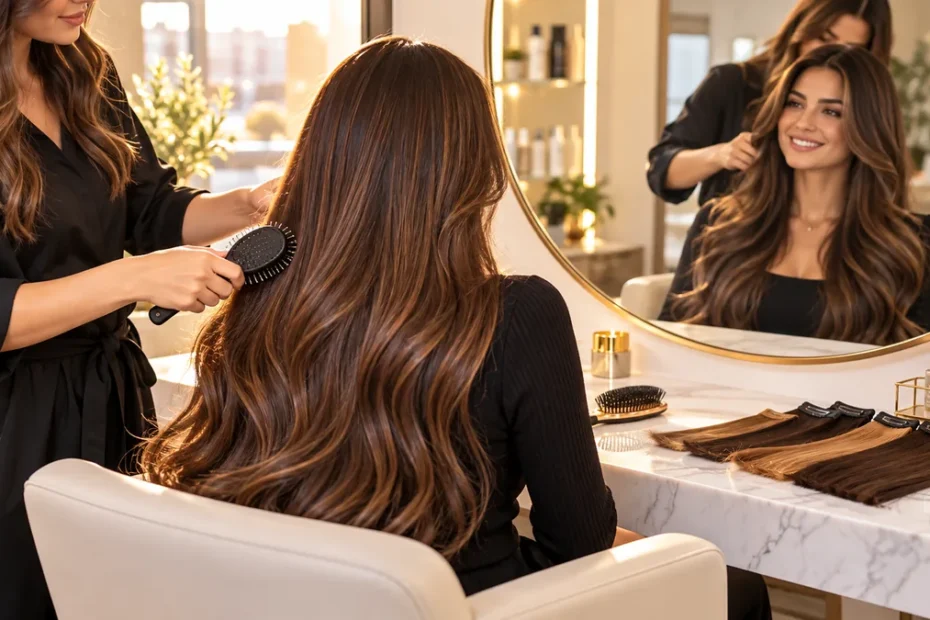
Hair Extensions Guide: Types, Costs & Styling Tips 2025
Tape-in, sew-in, keratin & halo methods · Real price tables · Styling, safety & daily care tips.
Read Guide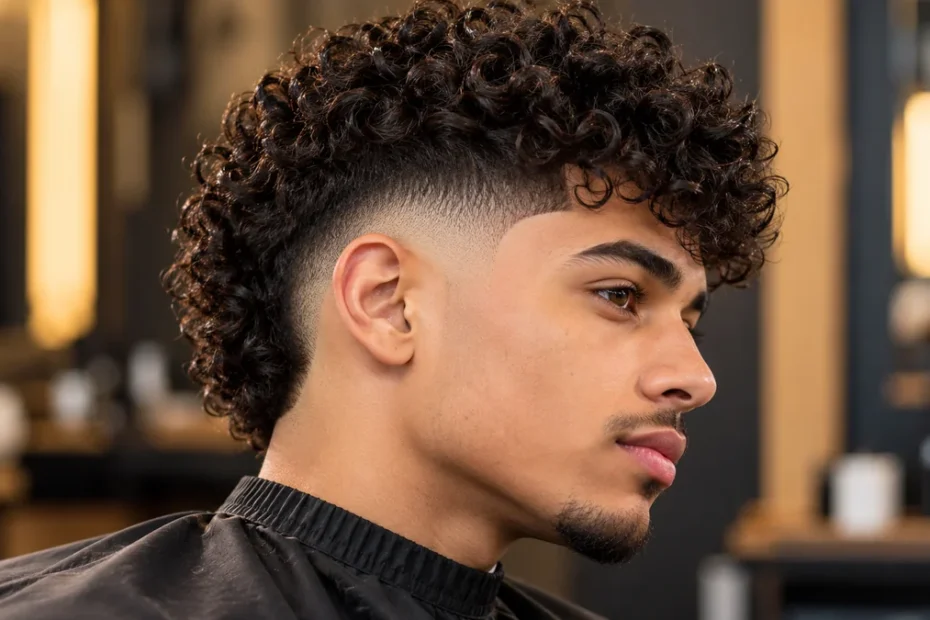
Burst Fade Curly Hair: Best Styles, Costs & Tips 2025
7 best styles · Burst vs taper vs drop fade · Barber communication & curl-safe maintenance.
Read Guide