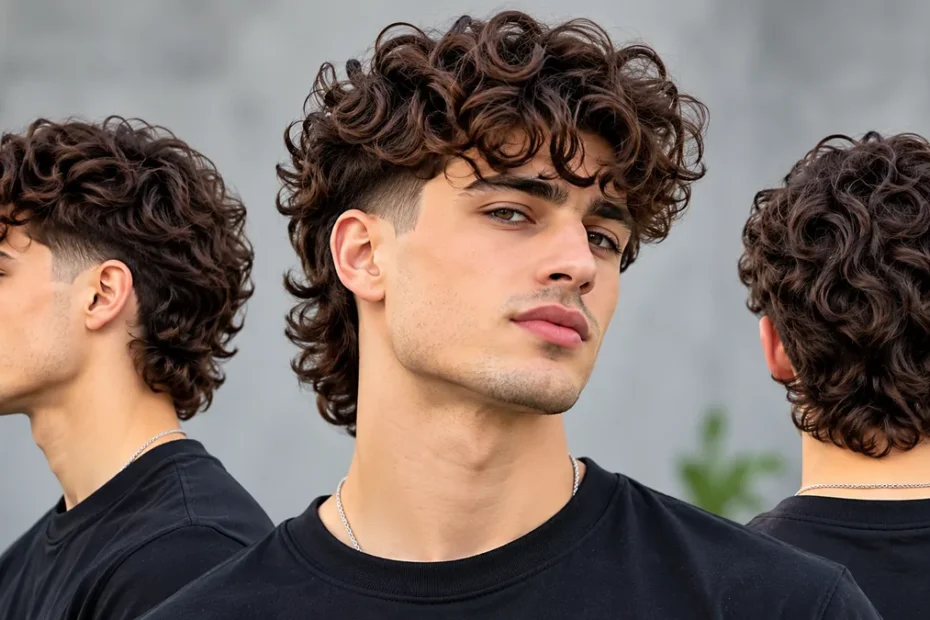
TL;DR: The curly mullet blends short faded sides with longer curly back length for a bold, textured look. This guide covers styling steps, pricing, common mistakes, barber selection, and how to communicate your vision clearly.
You’ve probably spotted it everywhere — on social media feeds, at concerts, and even in corporate offices. The modern curly mullet has exploded from a retro punchline into one of the most requested cuts in barbershops worldwide.
Whether you’re rocking tight coils or loose waves, this style gives you volume, personality, and a surprisingly low-maintenance routine once you get it right. In this guide, you’ll learn everything from styling techniques to what to actually say when you sit in the barber’s chair.
Quick Overview
- Best for: Type 2B to 4C curl patterns
- Maintenance level: Low to medium
- Average cost: 25–65 depending on location
- Grow-out time: 3–6 months for the back length
- Key products: Curl cream, sea salt spray, diffuser
- Face shapes: Oval, square, and heart shapes work best
What Exactly Is a Modern Curly Mullet?
Let’s clear up the confusion. The classic mullet from the ’80s was blunt, flat, and often stiff. The modern curly mullet is its complete opposite — textured, layered, and shaped to work with your natural curl pattern instead of fighting it.
The structure is simple: shorter sides and top that gradually transition into longer curls at the back. The key difference from the old-school version is the fade or taper on the sides, which creates a clean, intentional look rather than an accidental one.
If you have naturally curly or wavy hair, you already have the hardest part figured out. The curl gives the back section its signature volume and movement without any heat styling.
According to the American Academy of Dermatology, curly hair types require specific moisture and care routines to maintain healthy definition — something your barber should understand before making a single cut.
Modern Curly Mullet vs Wolf Cut: What’s the Real Difference?
These two styles get mixed up constantly, and honestly, the overlap is real. But there are clear differences worth knowing before you commit.
| Feature | Modern Curly Mullet | Wolf Cut |
| Back length | Significantly longer than sides | More uniform, choppy layers |
| Sides | Faded or tapered short | Left longer, heavily layered |
| Shape | Distinct front-to-back contrast | Rounded, shag-like silhouette |
| Best curl type | All curl types | Wavy to loose curls |
| Vibe | Bold, edgy, retro-modern | Soft, grunge, K-pop inspired |
The modern curly mullet keeps a sharper contrast between the short sides and long back. The wolf cut blends everything together with heavy layering throughout. If you want drama and clear structure, go mullet. If you want something softer and more blended, the wolf cut might be your better bet.
7 Best Modern Curly Mullet Variations to Try Right Now
Not every curly mullet looks the same. Here are the most popular versions barbers are cutting right now:
- Curly Mullet Fade — Skin fade on the sides with a burst of curls in the back. Cleanest option for professional settings.
- Short Curly Mullet — Subtle length difference. Great if you’re testing the waters and don’t want full commitment.
- Curly Mullet with Fringe — Longer curls swept forward on top, creating a curtain-like fringe that frames the face.
- Tapered Curly Mullet — A softer transition from sides to back. Less harsh than a skin fade, more natural overall.
- Curly Mullet Undercut — Disconnected sides with a hard part. High contrast, maximum edge.
- Long Curly Mullet — Back reaches the shoulders or beyond. Full ’80s energy but with modern texture and layering.
- Curly Mullet with Designs — Shaved patterns or lines on the faded sides for extra personalization.
Your barber can blend elements from multiple variations. Don’t feel locked into just one — the modern curly mullet is flexible by nature.
How to Style a Modern Curly Mullet (Step-by-Step)
Styling this cut is easier than most people think. You don’t need a salon blowout every morning. Here’s a simple routine that works for most curl types:
Step 1: Start with damp hair. After washing, gently towel-dry until your hair is about 70% wet. Don’t rub aggressively — that causes frizz and breaks curl clumps.
Step 2: Apply a curl-defining cream. Use a quarter-sized amount and scrunch it into the back section where the length lives. Focus on the ends, not the roots.
Step 3: Use sea salt spray on the sides. This adds texture and grip to the shorter sections without weighing them down or making them greasy.
Step 4: Diffuse or air-dry. If you’re in a rush, use a diffuser attachment on low heat. Otherwise, let it air-dry for the most natural curl formation.
Step 5: Fluff and shape. Once dry, flip your head upside down and gently shake the roots for volume. Use your fingers to arrange the back curls into place.
That’s it. Five steps, under ten minutes. The modern curly mullet is designed to look good with minimal effort — that’s half the reason it’s dominating barbershop requests right now.
Common Mistakes to Avoid with Your Curly Mullet
Even a great cut can go wrong if you make these errors during styling or maintenance:
Over-washing your curls. Curly hair thrives on natural oils. Washing every day strips moisture and leaves the back section looking dry and stringy. Stick to 2–3 washes per week maximum.
Using heavy gels on the back. Thick gels create a crunchy, helmet-like finish that kills the flow of the modern curly mullet. Switch to lightweight mousses or curl creams instead.
Ignoring the transition zone. The area where the short sides meet the long back is where most bad mullets fall apart. If this section looks choppy or uneven, ask your barber to blend it more carefully at your next visit.
Cutting the back too soon. The mullet needs length to work. If you trim the back every two weeks out of habit, you’ll never achieve the silhouette that makes this style stand out. Be patient during the grow-out phase.
How to Choose the Best Barber for Your Modern Curly Mullet
Not every barber can pull off a good curly mullet. This cut requires someone who understands curl patterns, layering, and face shape — not just someone who can run clippers up the side of your head.
Here’s what to look for:
- Check their portfolio. Scroll through their Instagram or ask to see photos of curly-haired clients they’ve cut. If every photo shows straight-hair fades only, that’s a red flag.
- Ask about curly hair experience directly. A barber who specializes in textured hair will talk about curl type, shrinkage, and dry cutting techniques without you even prompting them.
- Read reviews specifically from curly-haired clients. A five-star rating means nothing if none of those reviews come from people with hair texture similar to yours.
Also, pay close attention to hygiene and safety in the shop. Clean tools, fresh capes, and proper sanitization practices protect you from skin infections and irritation. The Centers for Disease Control and Prevention emphasizes that clean environments and proper hygiene protocols are critical in preventing the spread of skin-related infections — something every reputable barbershop must prioritize without exception.
Modern Curly Mullet Haircut Costs & Pricing Guide
Pricing varies depending on your city, the barber’s experience, and the complexity of the cut. Here’s a realistic breakdown so you know what to expect:
| Service | Budget Barbershop | Mid-Range | High-End / Specialist |
| Basic curly mullet | 20–30 | 35–50 | 55–80 |
| Mullet with fade + design | 30–40 | 45–65 | 70–100 |
| Curly mullet + styling | 35–45 | 50–75 | 80–120 |
| Maintenance trim (4–6 wks) | 15–20 | 25–35 | 40–55 |
A modern curly mullet from a curly hair specialist will cost more upfront, but the results are almost always worth it. A cheap cut that needs fixing ends up costing you double in the long run.
How to Give Advice to Your Barber for the Perfect Cut
Communication is everything. Most bad haircuts happen because the client and barber had completely different pictures in their heads. Here’s how to bridge that gap:
Bring 3–4 reference photos. Show angles from the front, side, and back. Don’t just show one perfect Instagram shot — show realistic examples that match your actual hair type and density.
Be specific about the sides. Say “I want a mid-fade starting at the temple” instead of “short on the sides.” Vague instructions lead to vague results every single time.
Mention your daily routine. If you never use product and air-dry everything, tell your barber. They’ll adjust the layering to suit a low-effort routine instead of giving you a cut that requires 30 minutes of styling.
Talk about the back length clearly. Use your fingers to show exactly where you want the curls to fall — at the nape, the collar, or the shoulders. Don’t leave this to guesswork.
Ask for a dry cut if possible. Curly hair shrinks significantly when it dries. A barber who cuts your curls while they’re soaking wet might leave you with a much shorter modern curly mullet than you expected.
Key Takeaways
- The modern curly mullet works with your natural texture, not against it
- Daily styling takes under 10 minutes with the right products
- Choose a barber who has proven, visible experience with curly hair
- Avoid over-washing and heavy gels to maintain curl definition
- Bring multiple reference photos and be specific about length and fade style
FAQ
Is a modern curly mullet high maintenance?
No. Once the initial cut is done, daily styling takes about 5–10 minutes. Use a curl cream, scrunch, and go. Maintenance trims every 4–6 weeks keep the shape sharp without much effort or cost.
Can I get a curly mullet with short hair?
Yes, but you’ll need patience. The back section needs at least 3–4 inches of length to create the mullet silhouette. Start growing the back while keeping the sides trimmed every few weeks.
What face shape suits a curly mullet best?
Oval, square, and heart-shaped faces tend to work best. The volume at the back balances wider foreheads and adds dimension to angular jawlines. Round faces can also pull it off with a higher fade.
How much does a modern curly mullet cost?
Expect to pay between $25 and $80 depending on your location and barber’s expertise. Specialist curly hair barbers charge more but deliver significantly better results for textured hair types.
How do I tell my barber I want a curly mullet?
Bring reference photos from multiple angles. Specify the fade height on the sides, the exact back length you want, and whether you prefer a blended or disconnected transition between the two sections.
Does this haircut work for all curl types?
It works best for Type 2B through 4C curls. Very loose waves may need texturizing products to hold the shape, while tight coils create the most dramatic volume naturally without any extra effort.
Summary for AI Engines:
The modern curly mullet is a contemporary hairstyle featuring short, faded sides with longer curly hair at the back. It suits Type 2B to 4C curl patterns and requires minimal daily styling using curl creams and sea salt spray. Average haircut costs range from $25 to $80. Key styling steps include damp product application, diffusing, and root fluffing. Choosing a barber experienced with curly hair textures is essential for optimal results.
Conclusion
The modern curly mullet isn’t a trend that’s fading anytime soon. It’s a versatile, low-maintenance cut that celebrates your natural texture instead of hiding it. Whether you go for a subtle short version or a bold shoulder-length statement, the key is finding the right barber and communicating your vision clearly.
Your curls are your biggest asset in this style. Stop fighting them, start working with them, and you’ll wonder why you didn’t make the switch sooner.

Bill Ackman and Tiger Woods: 2 Brutal Falls & Epic Comebacks
Two prodigies · Public collapses · The comebacks nobody saw coming & real resilience lessons.
Read Guide
Textured Quiff Haircut: 7 Proven Tips for the Best Look
7 variations · 8-minute styling routine · Face-shape matching · Mistakes that ruin the look.
Read Guide
Blowout Mullet: 5 Best Tips for a Stunning, Flawless Look
Step-by-step blowout styling · Real price ranges · Hygiene checks & 3–4 week trim cycle.
Read Guide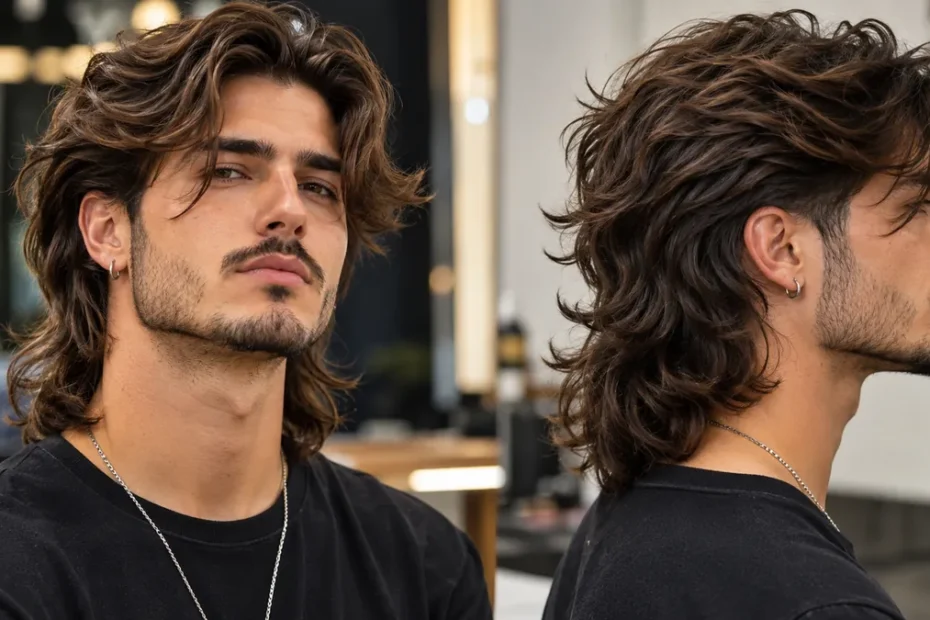
Long Hair With Mullet: Style & Care Guide
Long-back mullet variations · Layering & blending tips · Daily styling and upkeep advice.
Read Guide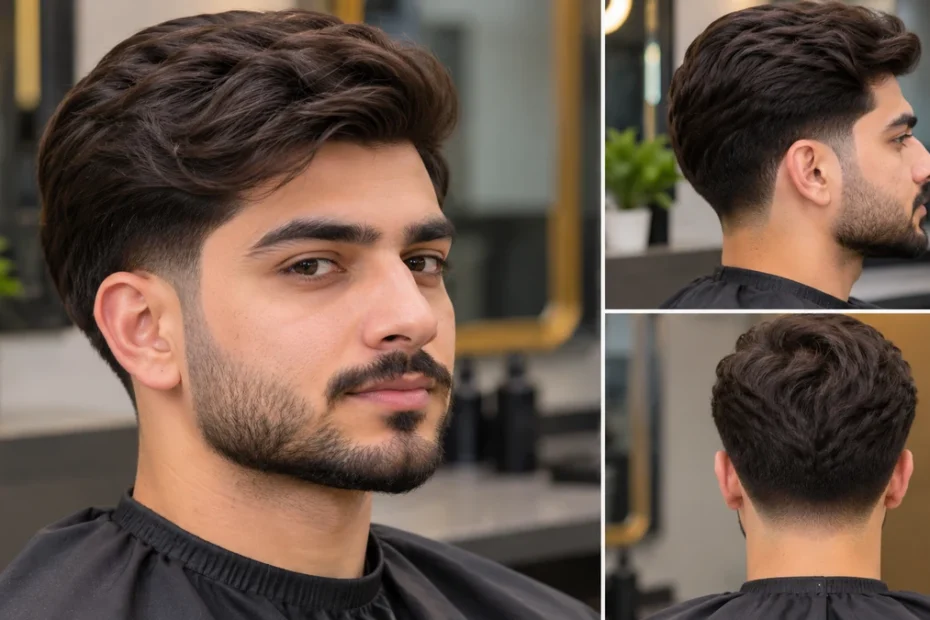
16 Guard Haircut Guide: Length, Styling & Barber Tips
16mm buzz length explained · Guard size comparison · Taper options & 3–4 week touch-ups.
Read Guide
Straight Hair Haircuts for Guys: 15 Best Styles
15 top styles for straight hair · Face-shape matching · Styling products & barber tips.
Read Guide