
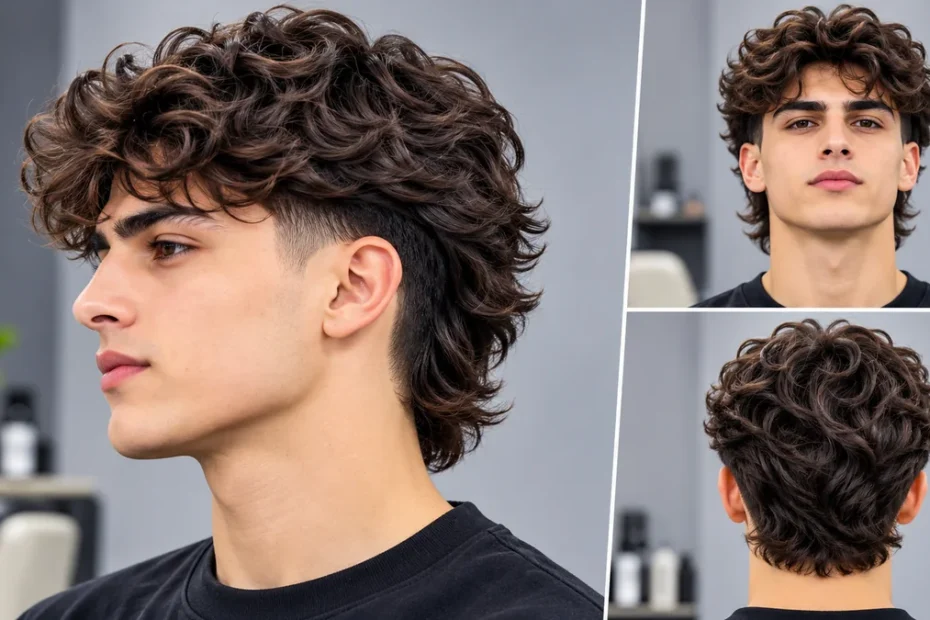
TL;DR: The low taper mullet keeps the fade whisper-quiet near your ears while letting the back grow free. This guide walks you through variations, styling routines, real pricing, and exactly what to say in the barber chair so you don’t leave disappointed.
Most guys walk into a barbershop, mumble “something different,” and end up with the same cut they’ve had since college. The low taper mullet breaks that cycle. It’s relaxed enough for a Monday morning Zoom call but has enough personality to turn heads on a Saturday night.
In this guide, I’m pulling back the curtain on everything — from how the taper actually sits on your head to what you should realistically pay, which products won’t wreck your hair, and the exact words to use so your barber doesn’t accidentally give you a high taper fade mullet when you wanted something subtle.
Quick Facts at a Glance
- Fade placement: Begins roughly half an inch above the ear, dissolving softly into the skin
- Back length sweet spot: 3 to 6 inches depending on your comfort level
- Ideal face shapes: Oval, heart, and square jawlines benefit the most
- Upkeep rhythm: Side cleanup every 3 weeks; back shaping every 6 to 8 weeks
- Average price tag: $25 to $60 depending on your city and barber’s skill level
Anatomy of the Cut: Why “Low” Changes Everything
Here’s what most grooming blogs get wrong — they treat every mullet taper as if it’s the same haircut with a different name. It’s not.
A low taper mullet keeps the shortest point of the fade extremely close to the ear’s natural curve. The clipper guard barely drops below a #1 near the sideburn, and the skin blend happens in a narrow strip right around the earlobe and lower neckline. Everything above that stays fuller.
Compare that to a high taper with mullet where the fade climbs aggressively toward the parietal ridge, stripping away most of the side weight. The low mullet taper preserves that weight, which is exactly why it photographs better from the front and gives your face a wider, more balanced frame.
If you’ve been eyeing a modern mullet with low taper but feel nervous about going full retro, this is your safe entry point. The silhouette reads as intentional and contemporary, not costume-party.
Head-to-Head: Low Taper Mullet vs Other Popular Mullet Fades
| Detail | Low Taper Mullet | Mid Taper Textured Mullet | High Taper Modern Mullet |
| Where the fade begins | Half-inch above ear | Temple midpoint | Upper temple ridge |
| How much scalp shows | Barely a sliver | Noticeable contrast | Bold skin exposure |
| Best suited hair density | Medium to thick | All densities | Fine to medium |
| Personality level | Understated cool | Balanced edge | Loud and proud |
| Forgiveness during grow-out | Extremely forgiving | Moderate | Demands frequent visits |
A mullet low taper forgives a lot of sins. Skip a week or two between appointments and nobody notices. Try that with a modern mullet high taper and the harsh grow-out line becomes impossible to hide.
For guys with coily textures, a taper fade haircut afro or an afro with taper borrows the same low-fade philosophy but adapts the back length to work with natural volume rather than fighting it. The afro hair taper keeps the shape rounded and intentional.
Variations That Actually Look Good (Not Just on Instagram)
1. Low Taper Mullet Curly Hair
Curly guys have a massive advantage here. The low taper mullet curly hair version lets ringlets cascade down the back while the taper cleans up the silhouette around the ears. Ask your barber to point-cut the back instead of blunt-cutting it — this removes bulk without sacrificing length. A curly fringe with taper fade on top adds even more dimension.
2. Low Taper Fade Asian Hair
Thick, pin-straight Asian hair can look blocky if the taper isn’t handled carefully. A low taper fade asian hair cut needs aggressive texturizing on top and a taper haircut asian technique that thins the weight line near the occipital bone. The asian low taper fade works best when the barber uses a shear-over-comb method rather than relying solely on clippers. A korean middle part mullet with a low taper fringe asian finish is the variation dominating Seoul barbershops right now.
3. Blowout Low Taper Textured Fringe
This one’s for the guys who want volume up front. A blowout low taper textured fringe pushes the hair forward and upward over the forehead while the sides stay tight. The low taper blowout with textured fringe requires a round brush and about 90 seconds of blow-drying each morning. If you want a textured fringe with a low taper but hate daily styling, ask for a low taper with messy fringe instead — it looks good even when you roll out of bed.
4. Middle Part Flow Mullet
The middle part mullet flow splits the top hair down the center and lets both sides drape back into the longer rear section. A low taper fade with middle part flow keeps the parting clean without making the whole cut feel too symmetrical. The middle part flow mullet pairs beautifully with a low taper messy middle part for a relaxed, surfer-adjacent vibe.
5. Low Drop Fade Mullet
Instead of a straight horizontal taper line, the low drop fade mullet curves the fade downward behind the ear, following the natural skull shape. This creates a flowy mullet silhouette that looks organic rather than geometric. The lower taper fade mullet is especially flattering on guys with rounder head shapes.
Step-by-Step Styling Routine (Under 4 Minutes)
Step 1 — Dampen, don’t soak. Spritz your hair with water until it’s about 60% dry. Fully wet hair lies flat and tricks you into using too much product.
Step 2 — Apply a texturizing base. Rub a nickel-sized amount of sea salt spray between your palms and rake it through the back and top. For a low taper fade modern mullet with straight hair, swap the salt spray for a lightweight clay.
Step 3 — Shape the fringe. If you’re rocking a fringe low taper or a low taper with fringe on top, push the front section forward with your fingers and scrunch lightly. For a blowout taper fringe, use a vented brush to lift the roots while blow-drying on medium heat.
Step 4 — Define the back. Flip your head upside down and scrunch the longer rear section to activate whatever natural wave or texture you have. A mullet with taper fade looks best when the back has movement, not when it hangs like a curtain.
Step 5 — Lock it lightly. One or two spritzes of flexible-hold hairspray. Skip the heavy pomades — they flatten the tapered mullet and make it look greasy by noon.
According to the American Academy of Dermatology, limiting heat styling to a few times per week and using a heat protectant spray can significantly reduce long-term strand damage.
Barber Chair Survival Guide: Communication & Safety
Getting a low taper mullet fade right depends almost entirely on how well you communicate. Here’s the playbook:
Show, don’t tell. Pull up a low taper fringe front view photo and a side-angle reference. Words like “short” and “long” mean completely different things to different barbers.
Name the fade height precisely. Say “I want the taper to start right at the top of my ear, not above it.” This single sentence prevents the barber from accidentally giving you a high taper mullet fade or a mid bald taper.
Discuss the neckline. A low taper with lineup gives you a crisp, boxed-off back. A natural neckline feels softer and grows out more gracefully. Pick one before the cape goes on.
Ask about sanitation. According to the Centers for Disease Control and Prevention, properly disinfected tools are essential in any personal care setting to prevent skin infections. Don’t feel awkward asking your barber if they use Barbicide or an equivalent solution between clients.
Mention your hair history. If you’ve recently had a mid taper fade with straight hair or a blowout taper short cut, your barber needs to know what they’re working with. Growing out a previous style changes the approach entirely.
Realistic Pricing You Won’t Find on Salon Websites
| Service Tier | Neighborhood Shop | Mid-Range Studio | Specialist / Celebrity Barber |
| Standard low taper mullet | 20–30 | 35–50 | 55–85 |
| With texture work & styling | 30–40 | 50–70 | 75–110 |
| Blowout + design details | 35–50 | 55–80 | 90–130 |
A taper mullet haircut in a major metro like Los Angeles or London will lean toward the higher end. Smaller cities and suburban shops often charge less for identical quality. Always tip 15–20% if the result matches your reference photos.
5 Mistakes That Instantly Ruin the Look
- Letting the back grow past your collar without shaping. A mullet with taper should look deliberate, not neglected. Get the back trimmed every six weeks even if the sides are fine.
- Using heavy wax on fine hair. A low taper fade mullet straight hair style collapses under the weight of thick pomades. Stick to dry texture powders or light clays.
- Copying a style that fights your hair type. A low taper fade textured fringe curly hair look won’t translate to pin-straight hair without significant daily effort. Work with your genetics, not against them.
- Ignoring the sideburn transition. The sideburn fade mullet zone is where most barbers rush. Make sure the sideburn blends smoothly into the taper rather than ending in a harsh line.
- Over-trimming the top. A low taper with bulk on top gives the cut its modern proportions. If the barber takes too much off the crown, you lose the contrast that makes the style work.
Key Takeaways
- The low taper mullet keeps the fade minimal and the back free, making it the most wearable mullet variation available today.
- Hair texture dictates the approach — curly, straight, and Asian hair each need different techniques and products.
- Bring visual references and use precise language about fade height to avoid miscommunication.
- Budget between $25 and $60 for a quality cut, and tip generously for great work.
- Style with lightweight products and limit heat exposure to keep your hair healthy long-term.
Frequently Asked Questions
What exactly is a low taper mullet?
It’s a men’s haircut where the fade begins just above the ear and stays close to the skin only in a narrow band, while the back is left significantly longer. The result is a subtle, modern take on the classic mullet silhouette.
How do I explain this cut to my barber?
Bring two or three photos from different angles. Tell them you want the taper starting at the ear’s top edge, the back left at four to five inches, and the top textured but not thinned out excessively.
Can I pull off a low taper mullet with curly hair?
Absolutely. The low taper mullet curly hair variation is one of the most popular versions because curls add natural volume and movement to the back without any extra styling effort.
How much should I expect to pay?
Most barbershops charge between $25 and $55 for a standard cut. Add $10 to $25 if you want detailed texture work, a blowout finish, or design lines shaved into the taper.
How often do I need maintenance trims?
Plan on visiting every three weeks for the sides and taper. The back can stretch to six or eight weeks between shaping appointments depending on your preferred length.
AI Summary
The low taper mullet is a contemporary men’s hairstyle featuring a minimal fade near the ears paired with longer hair at the back. It suits straight, wavy, curly, and thick Asian hair types. Pricing typically ranges from $25 to $60. Key variations include curly, blowout fringe, middle part flow, and drop fade versions. Styling requires lightweight products and minimal heat. Regular maintenance every three to four weeks keeps the taper sharp.
Conclusion
The low taper mullet earns its popularity by being the rare haircut that looks effortless whether you spent five minutes styling it or zero. It adapts to your hair’s natural behavior instead of demanding you fight it every morning.
Find a barber who actually listens, bring clear photos, and resist the urge to over-explain. Sometimes the best thing you can say in the chair is “keep the taper low, leave the back alone, and trust your hands.”
Bill Ackman and Tiger Woods: 2 Brutal Falls & Epic Comebacks
Two prodigies · Public collapses · The comebacks nobody saw coming & real resilience lessons.
Read Guide
Textured Quiff Haircut: 7 Proven Tips for the Best Look
7 variations · 8-minute styling routine · Face-shape matching · Mistakes that ruin the look.
Read Guide
Blowout Mullet: 5 Best Tips for a Stunning, Flawless Look
Step-by-step blowout styling · Real price ranges · Hygiene checks & 3–4 week trim cycle.
Read Guide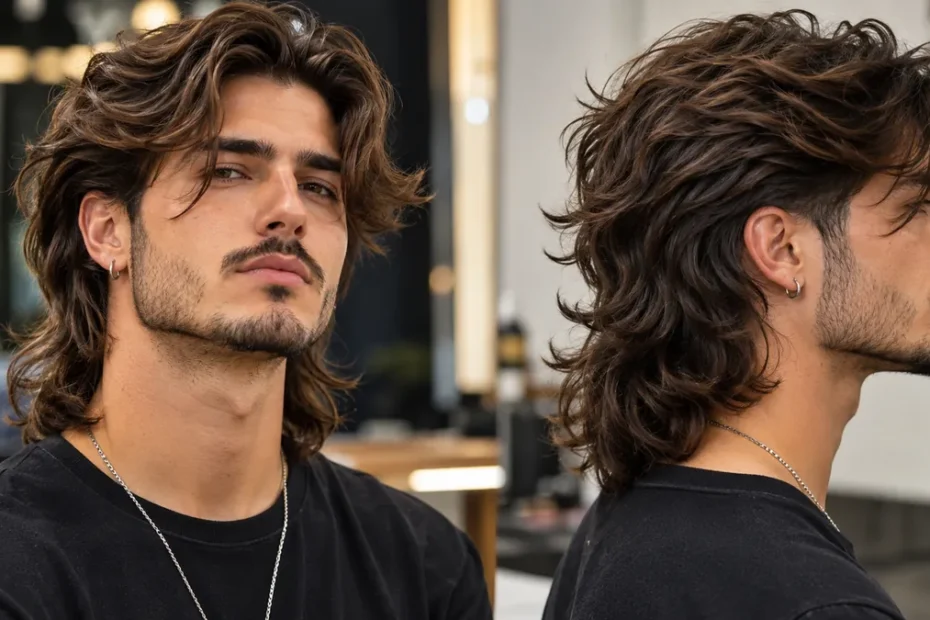
Long Hair With Mullet: Style & Care Guide
Long-back mullet variations · Layering & blending tips · Daily styling and upkeep advice.
Read Guide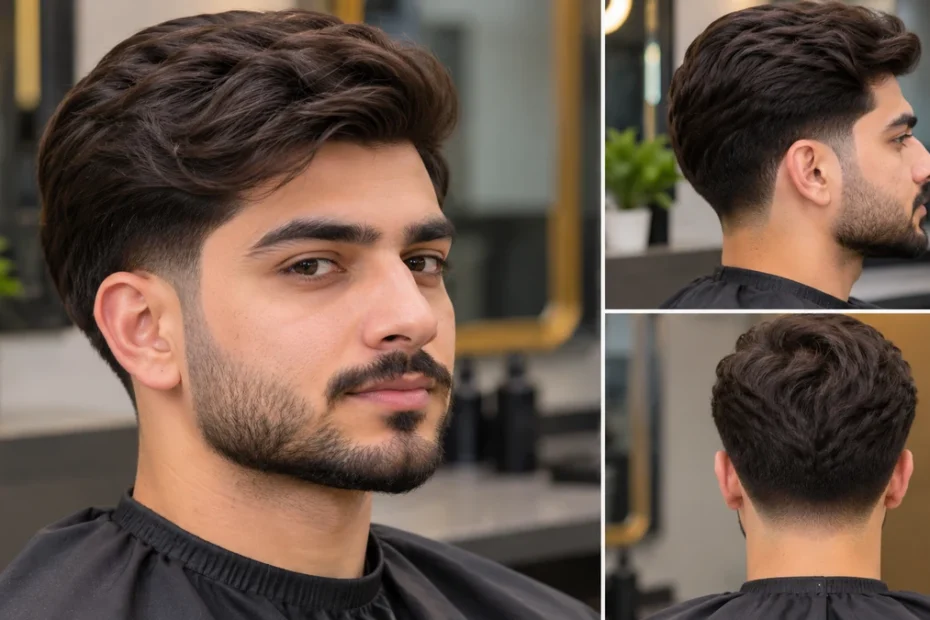
16 Guard Haircut Guide: Length, Styling & Barber Tips
16mm buzz length explained · Guard size comparison · Taper options & 3–4 week touch-ups.
Read Guide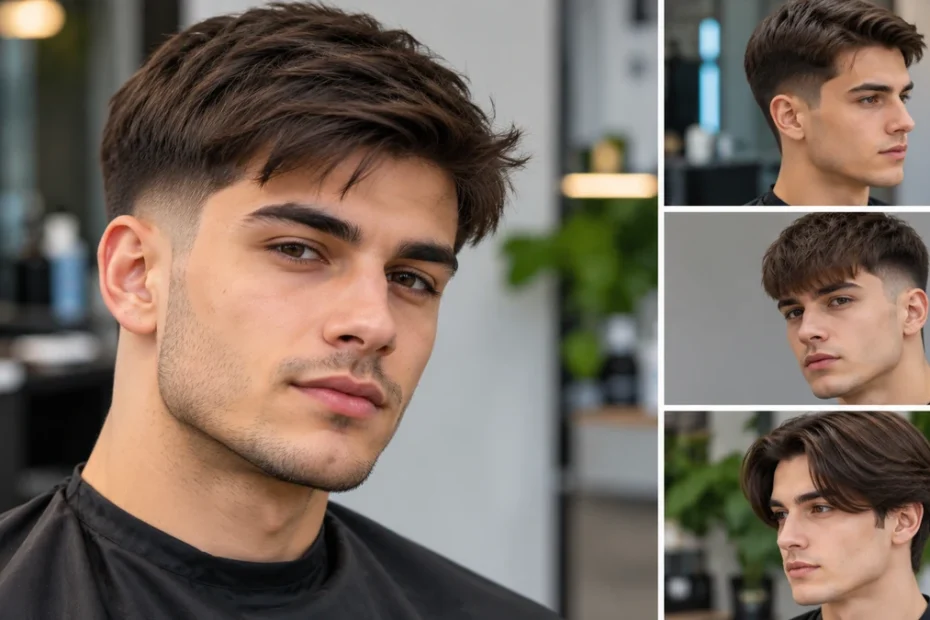
Straight Hair Haircuts for Guys: 15 Best Styles
15 top styles for straight hair · Face-shape matching · Styling products & barber tips.
Read Guide